
6 Things I learned editing my 874 page book
A study in "trust yourself"

It’s done.
I’ve finally turned in my TOME1 of a novel to my developmental editor and I am free! (Well, kind of.)
But as I went through the process there were a few things I learned that I thought might be helpful for all of you writers out there. Whether you’ve edited countless novels or just one, it always helps to remember a few things and I’ve complied them here for you all.
1. You really don’t need those words
I see. I feel. I want. I need. Likely. Almost. All. You really don’t need (most of) ‘em.
This isn’t a blanket statement for every instance of these words, but I cut so many words just by eliminating these unnecessary words and phrases (and a whole bunch more) from my manuscript2.
Should I be a little mad at myself I put them in there in the first place? Nope. When I draft, I don’t care. And while I’d like to get to a point where I don’t put them in to begin with, I’m not going to give Drafting Emilie a hard time and you know why? She wrote over 200k in 4 months time and that is pretty great. If it means she put in 20k of unnecessary filler words, well, at least she got the book written.
2. Your writing isn’t as bad as you think it is
I was certain this book was crap. Okay, well maybe not that bad but I thought it would be a chaotic mess of things I threw together to hopefully make it to the end. I was certain I would be deleting chapters left and right.
And then I didn’t.
I did get rid of a few, but not nearly as many as I’d anticipated (which is both fulfilling and terrifying as I really needed to cut words). The reason for that? Drafting Emilie knew what story she was telling.
I do plot, usually pretty heavily, and I enjoy the process and challenge of figuring out my plot in order to make the book fast paced but also engaging. In doing so, I did a LOT with this story, but I also did it “right” (well, the jury’s still out on that as my editor will have to back me up on that). I edited with an eye to cut out anything that was slow or superfluous, and there wasn’t a ton of that which brings me back to…
Don’t judge yourself based on how you feel at the end of your book.
Base your observations on the reality of your book.
3. You won’t know until you’re told
I got to the end and I thought…well, My Epic Editor will just have to tell me what she thinks.
That may seem counterintuitive to point 2 up there, but what I mean by this is that I think my story is good. I’m happy with it. It made me emotional in points. I laughed. I got nervous (even though I wrote the book…). And I cheered at the end. All valid emotions and things I want to draw out in my reader.
But I don’t take that at face value. I need input and, in some cases, I may need to cut things if my editor thinks they aren’t necessary.
I went into my self-edits thinking “I’m going to cut a ton of chapters” and I really didn’t. So either I really did nail the story, or I’m blind to a few spots. That’s why I hire an editor and I’ll know when she tells me if it’s too long, too slow, or too much in some parts.
That is a natural part of editing and writing a story (and why writer’s shouldn’t write in a vacuum). We need outside input from professionals to truly tell our stories in the best way possible.
4. Can you really see it?
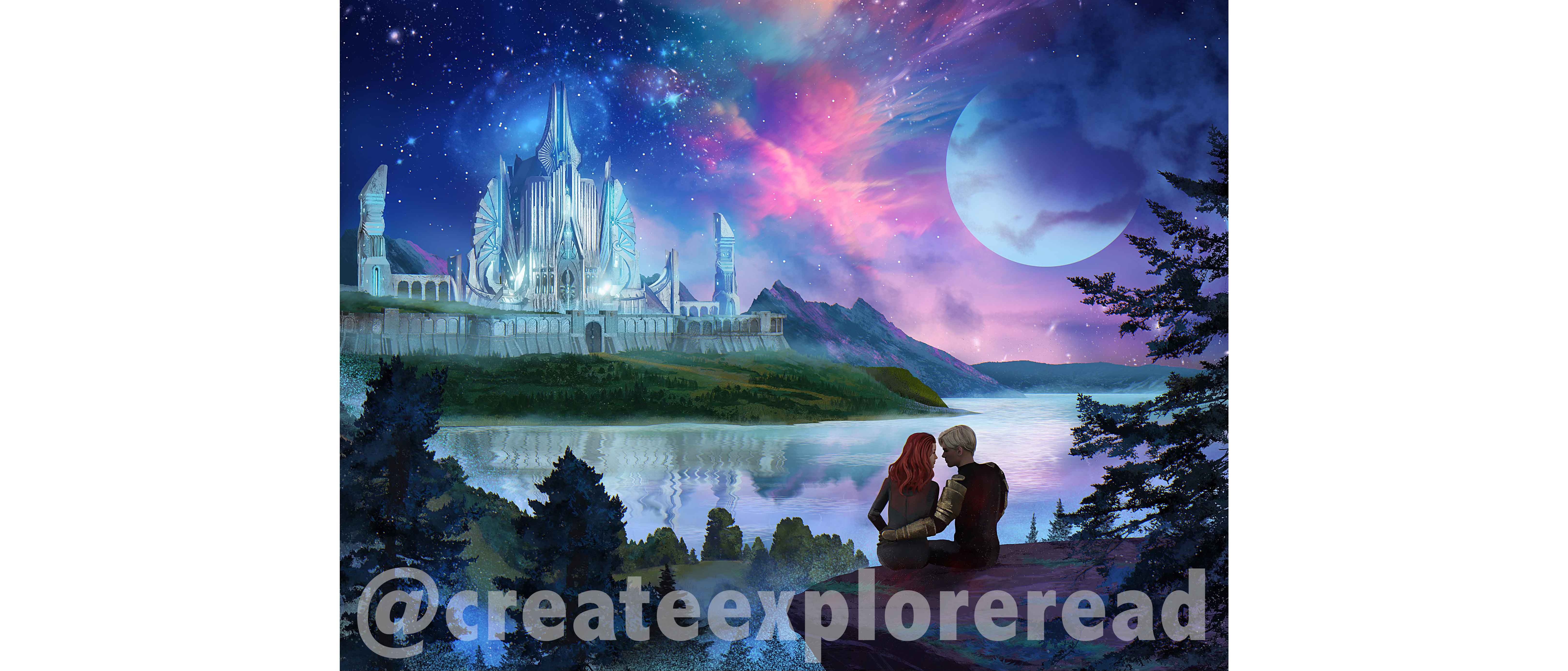
I’m a super visual reader. I see it all in my head (while physically reading or audiobooking) and I’m the same way with writing (or I try to be). I love to show off the settings of my books (especially the spacey feeling ones) because that gives me joy and helps my reader get a sense of place.
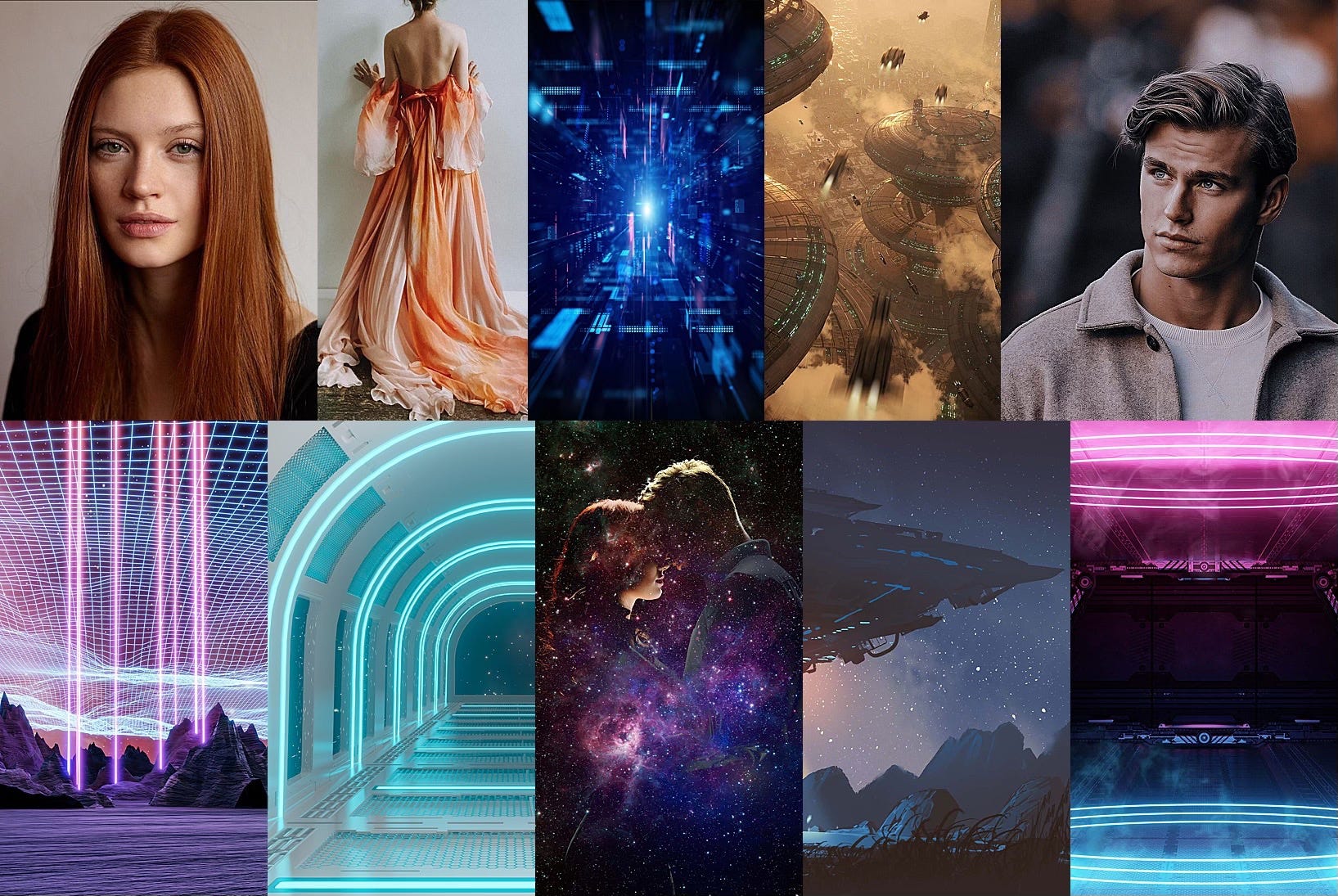
However…I found myself skipping a lot of that accidentally. This is the third book in my YA Science Fantasy series and I think I (perhaps wrongly) assume people will “see” things as I see them.
While editing this book I paid special attention to the visual cues so as not to assume my reader could see when they couldn’t. There is a LOT going on in this book and MANY words I needed to cut, but I didn’t want to sacrifice feeling or sensory things in preference to brevity. In some cases that meant taking out dialogue that wasn’t needed and replacing it with more world building aspects.
5. Efficiency is KEY, but so is EMOTION
I’m all for a shorter story. Trust me, I did not set out to write two books in one for this third book. I also detest books that are long just to be long. That said, there are a few things I found myself keeping vs deleting and it often came down to efficiency vs emotion.
Especially in high-stress or action scenes I really cut back on dialogue and (somewhat) description. What matters is the action. But what also matters? The emotion. Feeling a scene is crucial (and I’m not talking about a tea party with our feelings.) We need to see our characters worried, anxious, in pain, stressed, uncertain. The whole gamut of emotions that coincide with tense drama.
While this doesn’t lend itself to long, drawn out paragraphs in the midst of action (ick) it can look like the tightening of a fist, the tensing of a jaw, or the roiling of a stomach. It can be action with regret. Snapped commands. Or even rash things like punching someone out of the blue3.
What I’m getting at is the fact that our readers will be more invested if they can feel the characters emotions alongside them (from action scenes to romance scenes, it doesn’t matter). Balance this with efficiency in your writing and let it go hand in hand with forward plot movement, but you won’t regret convey these emotions to better solidify your scenes.
6. Trust yourself
This is always by far my biggest takeaway from editing any of my books.
I know what I’m doing. I need to trust that.
You may not be here and that’s okay (I do not say this arrogantly), but eventually you will get to a point where you really can trust your writer-instincts to help you tell the best story possible.
I spent a lot of time4 writing to get to this point, but one of the things that always reassures me when I’m editing is that I will add something I *think* I need only to find I had it in the next sentence or paragraph. Sometimes Editing Emilie has a better idea about where it should be placed, but it always reminds me that I really did know what I was doing when I wrote the book.
This isn’t to say that I don’t change things (I totally do!) and it doesn’t mean I’m always right (I’m not!) but it does remind me that I need to trust my judgment when it comes to my stories.
I know how to tell the story I want to tell. I need to trust that.
Bonus point: Get yourself an editor who understands you, your author voice, and your genre
My friends, if I can leave you with anything tangible after this, it would be to find an excellent editor that you can trust. For developmental edits find someone who understands your genre and its conventions, understands how to tell a good story, and who will hone your writing without changing or altering your author voice. These editors are worth GOLD and will only improve your story.
Looking to learn more about writing? I’ve got a writer-focused YouTube channel and am currently running a series on writing a novel for beginners! Check it out below:
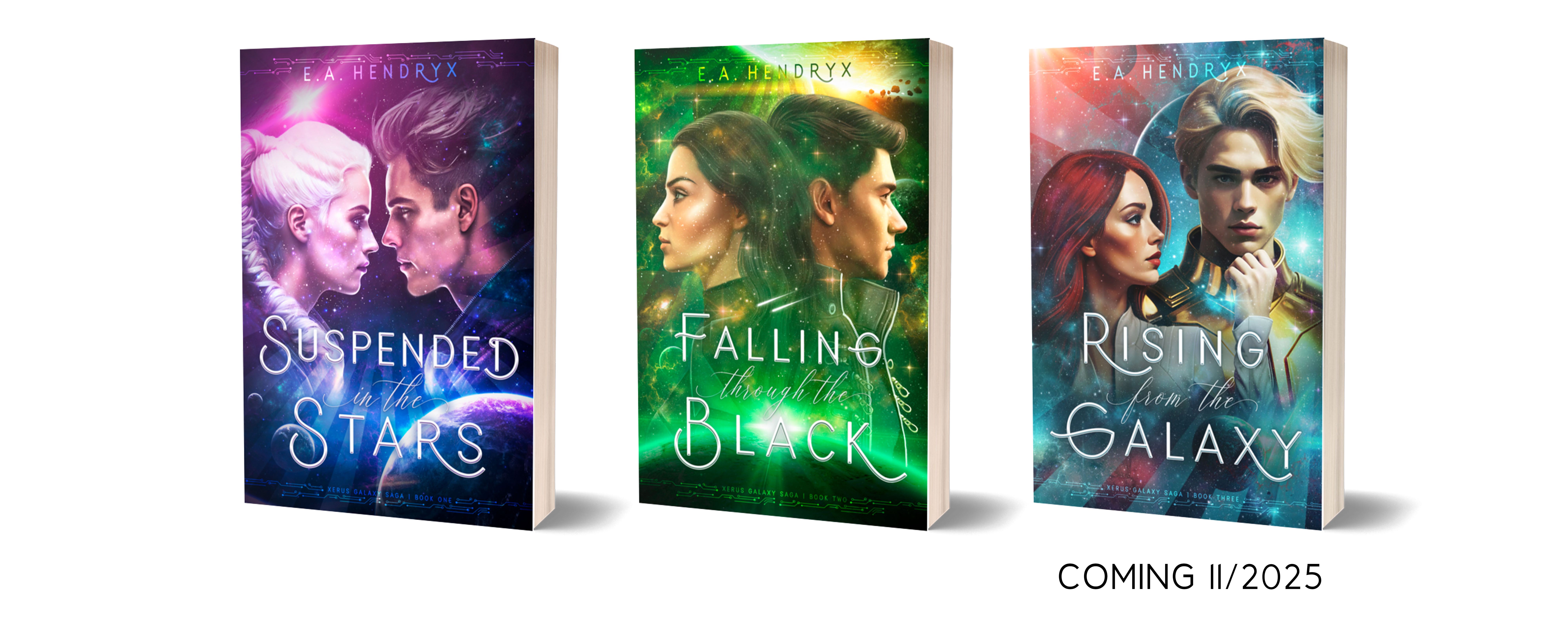
If you enjoy pulse-pounding action, sizzling but no spice romance, and enjoy a Star Trek vibe to your sci-fi mixed with fantasy elements like in Star Wars, check out the Xerus Galaxy Saga. Award-winning author Nadine Brandes said, "E. A. Hendryx pulls no punches (and spares no kisses!) in this galaxy-worthy sci-fi romance."
You’ll notice I used pages in the title of this post for ONE reason: click bait (ha!). Well, it’s not click bait as I literally wrote approximately 874 pages worth of words, but I normally would have used words (218,500 to be exact) but I wasn’t sure if it would hit the same as page numbers do. As a writer, I think in word count, but maybe that’s not everyone?
Also watch those sentence starter words or replies you don’t need. Like “So” “Now” “Listen” “Yes”. I start SO many sentences with things like this and cut most of them.
Chapter 95 is all I’m going to say here.
I was a ghostwriter for 8 years and wrote probably over 100 books during that time. I learned to hone my plotting, understand my characters, and trust that I knew how to tell a good story. It wasn’t always this way though, I had to work at it.
Me, the underwriter, trying to fathom what it's like to have to cut instead of add, ha ha. To be fair, I sadly have to cut plenty too, in part thanks to pesky words like the ones you mentioned.
This was great! Thank you! I also have a tendency to add filler words while writing and cutting them can be both unexpectedly hard and unexpectedly satisfying. I just worry that i'll lose the rhythm of the sentence and everything will sound clunky if I just start cutting all those words randomly. It does take thought, but you're right that most of them can go without it being a problem.